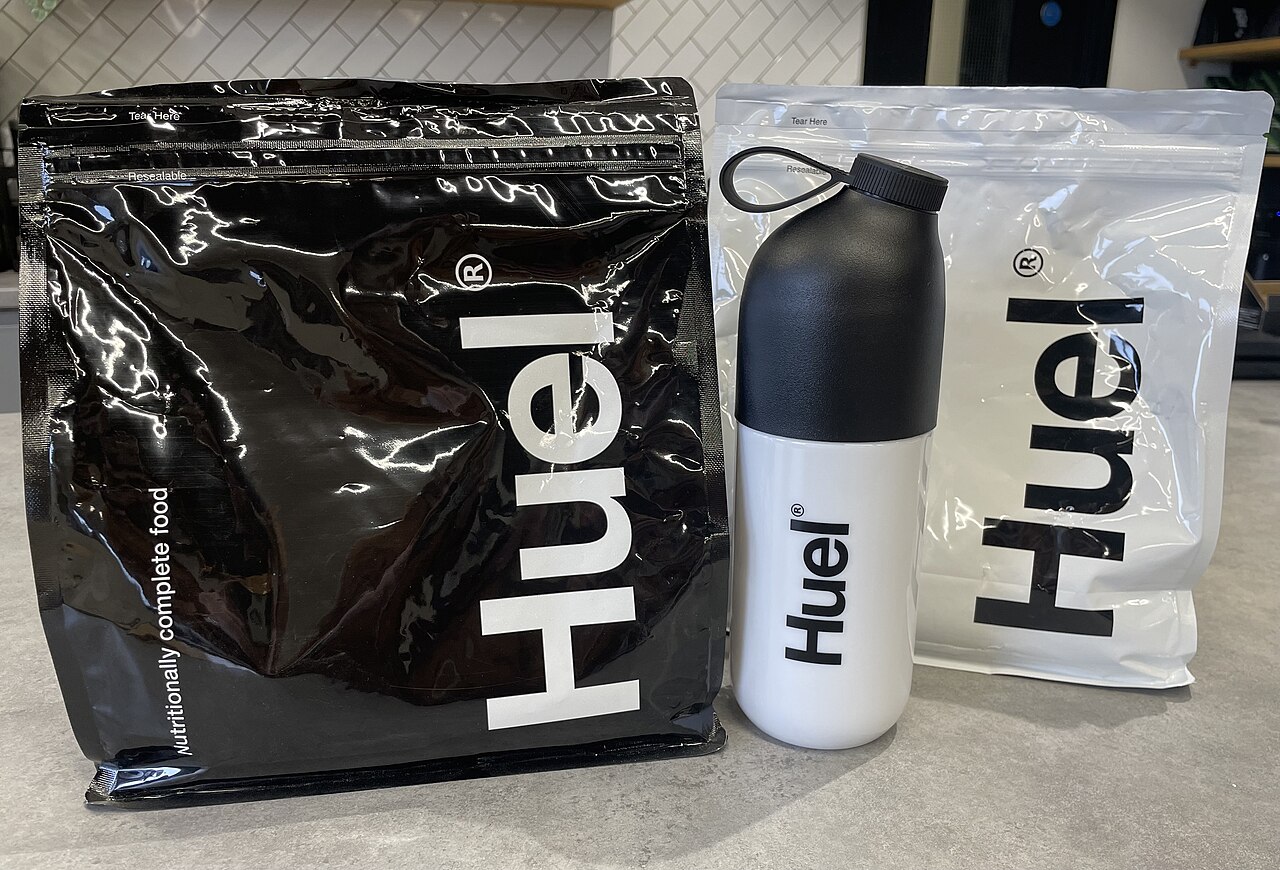
Huel, a name synonymous with plant-based nutrition and convenient meal solutions, has carved out a significant niche in the health and wellness industry. A portmanteau of "human fuel," the British company, founded by Julian Hearn in 2014, has rapidly grown from a start-up into a global brand, offering a diverse range of powders, ready-to-drink meals, and supplements. However, a recent report from Consumer Reports has introduced a new dimension to the public perception of Huel products, particularly concerning the presence of heavy metals. This development prompts a closer look at the company's journey, its product offerings, and the implications of these findings for consumers navigating the ever-expanding landscape of nutritional supplements, a topic of growing interest in any comprehensive Huel Wiki.
The Ascent of Huel: From Concept to Global Phenomenon
Huel Ltd. began its journey in Aylesbury, England, with a clear mission: to provide nutritionally complete, plant-based food that is convenient and sustainable. The original recipe, formulated by registered nutritionist James Collier, aimed to meet the European Food Safety Authority's Recommended Daily Amounts (RDAs) of nutrients. This commitment to comprehensive nutrition has been a cornerstone of the brand's identity since its inception.
The company's first product, Huel powder, launched in 2015, quickly gained traction among individuals seeking a balanced, hassle-free meal replacement. Made from a blend of oats, rice protein, pea protein, sunflower, flaxseed, coconut oil MCTs, and a carefully selected array of vitamins and minerals, Huel products offered a revolutionary approach to daily nutrition. Sweetened primarily with sucralose or stevia, they catered to a broad palate.
Huel's product line has seen continuous innovation. December 2019 marked the release of Huel Black Edition, a variant designed for those seeking fewer carbohydrates and more protein, sweetened with stevia and organic coconut sugar. In 2023, the brand expanded further with Daily Greens, a super greens powder rich in antioxidants, phytonutrients, adaptogens, and plant-based proteins from 91 whole food-sourced ingredients.
Internationally, Huel's growth has been remarkable. After expanding deliveries across Europe in 2016, Huel entered the United States market by June 2017. Under the leadership of CEO James McMaster, appointed in November 2017, the company has seen substantial financial success, reporting a 28% increase in revenue in 2023 and surpassing £200 million in revenue for the financial year ending July 2024. This impressive growth, coupled with achieving B Corp certification in 2023 and partnering with Tony's Open Chain for ethical cocoa sourcing, highlights Huel's commitment not only to nutrition but also to social sustainability and ethical practices. For more on this remarkable journey, explore Huel's Journey: From Plant-Based Start-Up to £200M Global Brand.
Consumer Reports Unearths Concerns: Lead and Cadmium in Huel Products
Despite its trajectory of growth and commitment to nutrition, a significant finding by Consumer Reports in 2025 has cast a shadow on the nutritional profile of some Huel products. The study specifically reported discovering concerning levels of lead and cadmium in Huel offerings. A single serving of Huel Black Edition was found to contain 6.3 micrograms of lead and 9.2 micrograms of cadmium.
These findings are particularly noteworthy given Huel's positioning as a health-conscious and nutritionally complete food source. Heavy metals like lead and cadmium are naturally occurring elements in the Earth's crust, and they can find their way into plant-based foods through soil, water, and air pollution. While trace amounts are often unavoidable in many foods, prolonged or excessive exposure to these metals can pose serious health risks. Lead, even at low levels, can be toxic, particularly affecting neurological development in children and contributing to kidney damage and hypertension in adults. Cadmium exposure is associated with kidney damage, bone weakening, and an increased risk of certain cancers.
For consumers who rely on Huel products as a regular or primary part of their diet, the reported levels raise questions about cumulative exposure. While 6.3 micrograms of lead and 9.2 micrograms of cadmium per serving might not represent an acute danger, consistent daily consumption over extended periods could contribute to an individual's overall heavy metal burden. This makes the Consumer Reports finding a critical piece of information for any comprehensive Huel Wiki and for consumer decisions.
Navigating Nutritional Choices in a Complex Food Landscape
The Consumer Reports findings underscore a broader challenge within the plant-based food and supplement industry: ensuring purity and safety alongside nutritional benefits. Consumers are increasingly turning to plant-based options for health, environmental, and ethical reasons, but the sourcing and processing of these ingredients play a crucial role in their ultimate safety profile.
For those who incorporate Huel into their diet or are considering doing so, understanding these potential issues is key. Here are some actionable insights and tips for navigating such concerns:
- Diversify Your Diet: Relying on a single source for a significant portion of your nutrition, even a nutritionally complete one, can concentrate exposure to any contaminants present. A varied diet helps mitigate this risk by spreading exposure across different food sources and reducing the frequency of consuming potentially higher-risk items.
- Stay Informed: Keep an eye on reports from reputable consumer watchdog organizations like Consumer Reports. These independent studies provide invaluable insights into product safety and quality that manufacturers might not always highlight.
- Inquire About Sourcing and Testing: Consumers have the right to ask companies about their sourcing practices and heavy metal testing protocols. While not all companies are fully transparent, increased consumer demand for such information can drive industry-wide improvements.
- Consider Usage Frequency: If you consume Huel products daily, particularly the Black Edition, it might be prudent to review the frequency or consider alternating with other meal options to reduce consistent exposure to the reported levels of lead and cadmium.
- Consult Health Professionals: If you have specific health concerns or are part of vulnerable populations (e.g., pregnant women, young children), discussing your dietary choices and supplement intake with a doctor or registered dietitian is always recommended.
It's important to remember that many plant-based ingredients naturally absorb trace amounts of heavy metals from the soil. The challenge for manufacturers and regulators is to ensure these levels remain below thresholds considered harmful for human consumption, especially with regular use. Huel's original formulation by a registered nutritionist to meet RDAs speaks to its foundational commitment to health, but these new findings demand a re-evaluation of how that commitment translates to purity standards.
The Path Forward for Huel and the Plant-Based Industry
The Consumer Reports findings are a pivotal moment for Huel and the wider plant-based meal replacement industry. For Huel, this development necessitates a clear and transparent response to its customer base. This might include re-evaluating sourcing, implementing even more stringent testing protocols, or potentially reformulating products to minimize heavy metal content. Maintaining consumer trust, which is built on perceptions of health and safety, will be paramount.
Beyond Huel, this report serves as a broader wake-up call for the plant-based supplement market. As more consumers embrace these products, the scrutiny on ingredient sourcing, manufacturing processes, and final product purity will undoubtedly intensify. Regulatory bodies may also be prompted to review and update guidelines for heavy metal limits in such products, ensuring they keep pace with evolving consumption patterns and scientific understanding of heavy metal impacts on health.
Ultimately, the goal is to provide consumers with truly safe and healthy options. The growth of the plant-based industry is a positive trend for health and sustainability, but this growth must be underpinned by an unwavering commitment to product safety and transparency. The Consumer Reports findings on Huel products, particularly the Black Edition, highlight the ongoing need for vigilance and accountability from manufacturers, ensuring that "human fuel" truly lives up to its promise of nourishing without unintended consequences.
In conclusion, Huel's journey, detailed across various Huel Wiki entries, illustrates a compelling success story in the plant-based nutrition sector. However, the recent Consumer Reports findings regarding lead and cadmium introduce a critical safety consideration for consumers. As the company continues to innovate and expand globally, addressing these concerns with transparency and proactive measures will be essential to upholding its reputation and ensuring the long-term trust of its dedicated customer base. For consumers, informed choices, diversified diets, and an active engagement with product safety information remain the best strategies for navigating the complexities of modern nutrition.